How to Export ITAR and EAR-Controlled Products: A Step-by-Step Guide for Defense Contractors
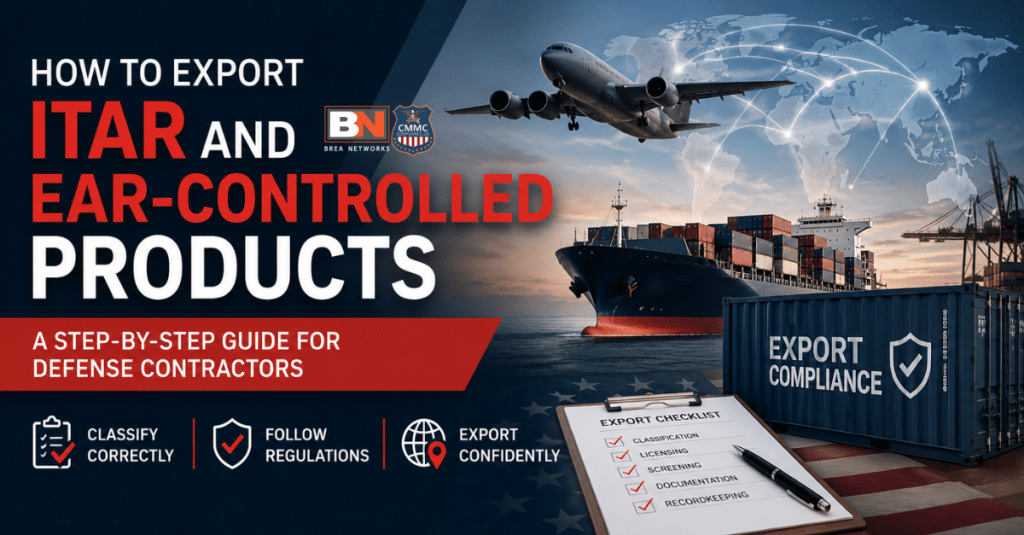
Exporting products that are regulated under the International Traffic in Arms Regulations (ITAR) or the Export Administration Regulations (EAR) requires more than simply shipping an item outside the United States. Defense contractors must understand product classifications, export authorization requirements, customer screening, recordkeeping obligations, and government regulations before any controlled product leaves the country. Failure to […]
CMMC Phase II Implementation Paused: What Defense Contractors Need to Know
On July 13, 2026, the Department of War announced the immediate suspension of CMMC Phase II requirements and launched a 60-day review of the program as part of Secretary Pete Hegseth’s Acquisition Transformation System (ATS) initiative. The announcement quickly made headlines across the Defense Industrial Base (DIB). Many contractors immediately began asking the same questions: […]
How to Build a System Security Plan (SSP) for CMMC Level 2 That Makes Your Assessment Easier
A System Security Plan (SSP) is one of the most important documents your organization will create when preparing for a CMMC Level 2 assessment. It explains how your organization protects Controlled Unclassified Information (CUI), defines the assessment boundary, and documents how the security requirements of NIST SP 800-171 Revision 2 are implemented. Although many organizations […]
The CMMC Scoping Mistakes That Cause Companies to Fail Assessments
Most defense contractors don’t fail CMMC because of a missing policy or a weak password rule. They fail because they never correctly defined what they were protecting in the first place. Scoping is the step that happens before documentation, before remediation, before anyone ever talks to a C3PAO. It is also the step most companies […]
Five Foundational Documents Every CMMC Level 2 Company Needs
If you handle Controlled Unclassified Information (CUI) and hold a DoW contract, CMMC Level 2 compliance is not optional. It is a condition of doing business. But for many small and mid-size defense contractors, the path to compliance feels overwhelming. Where do you start? Start with your documentation. Before an assessor ever steps into your […]
How to Navigate the Proposed FAR Overhaul as a Defense Contractor

On June 23, 2026, the Federal Acquisition Regulatory Council published a proposed rule in the Federal Register that would amend multiple parts of the Federal Acquisition Regulation. This post explains what the proposal covers, what it does not change, and what defense contractors and compliance professionals should do right now. Editorial note: All claims in […]
The Real Cost of Misrepresenting Cybersecurity Compliance

On June 18, 2026, the Department of Justice announced that LOGZONE, Inc., a 26-person defense contractor based in Huntsville, Alabama, agreed to pay $507,144 to resolve its liability under the False Claims Act for knowingly failing to comply with cybersecurity requirements on Department of the Navy contracts. The settlement wiped out approximately 75 percent of […]
GCC vs. GCC High: What Defense Contractors Need to Know
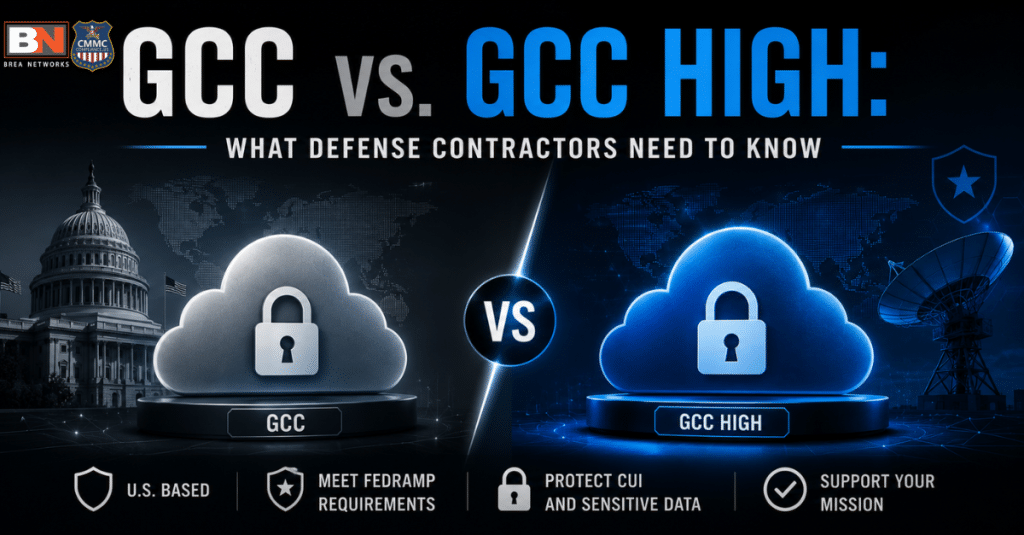
If your organization handles federal data in Microsoft 365, you have already encountered a choice that carries real compliance weight: Microsoft Government Community Cloud (GCC) or GCC High. For defense contractors operating under the Defense Federal Acquisition Regulation Supplement (DFARS) and the Cybersecurity Maturity Model Certification (CMMC) program, selecting the wrong environment is not a […]
FedRAMP, GCC, GCC High, and CMMC: Understanding the Differences
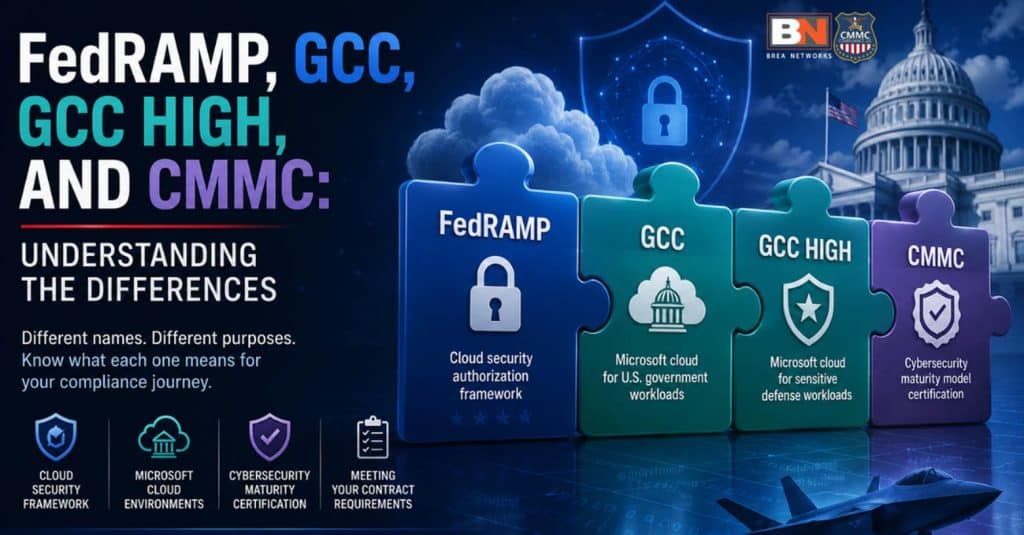
Defense contractors navigating cloud compliance encounter four terms with alarming frequency: FedRAMP, GCC, GCC High, and CMMC. Each one appears in contracts, solicitations, compliance guidance, and vendor marketing. Each one means something specific. And the confusion between them is one of the most common sources of compliance gaps in the Defense Industrial Base. This post […]