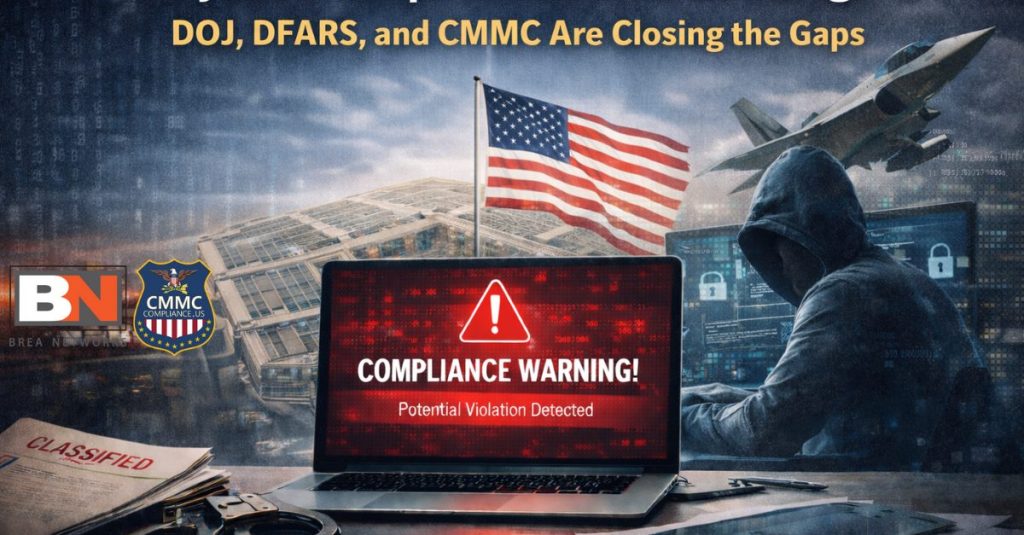
Cyber rules for DoD contractors are tightening fast. CMMC compliance risk for DoD contractors is increasing as more contracts include cybersecurity requirements tied to CMMC, DFARS, and NIST 800-171. Many companies think this only applies in the future, but enforcement pressure is already rising today.
This risk is not just about policies. NIST 800-171 requires contractors to use FIPS–validatedcryptography when protecting Controlled Unclassified Information. That means encryption tools must be validated under the NIST Cryptographic Module Validation Program(CMVP). If a product is not listed as validated, NIST considers the data effectively unprotected.
Some defense contractors believe they are compliant because they use security tools. But compliance is not about tools alone. It is about proof. It is about documentation, accurate claims, and what is entered into systems like SPRS. This includes being able to show that encryption tools are backed by NIST-validated cryptographic modules, not just vendor claims.

Why Cyber Compliance Risk Is Increasing
The Department of Justice is increasing cybersecurity enforcement through its Civil Cyber-Fraud Initiative. This effort focuses on contractors that misrepresent compliance with DFARS and NIST 800-171 when handling Controlled Unclassified Information.
At the same time, CMMC requirements are becoming tied to contract eligibility. Contracting officers are reviewing compliance claims more closely, including whether contractors can prove they meet encryption requirements. Contractors that cannot demonstrate use of FIPS 140-2 or FIPS 140-3 validated modules, as required by NIST 800-171 control 3.13.11, risk audits, payment delays, or being blocked from new awards.
What Happens If You Falsely Claim NIST 800-171 Compliance
If a contractor claims NIST 800-171 compliance but cannot support it, the consequences can be serious. These may include contract loss, investigations, and long-term damage to trust with the DoD.
This risk increases when contractors rely on encryption products that are not listed in the NIST CMVP validated modules database. NIST has stated that non-validated cryptography is treated as providing no protection at all. Even small inaccuracies in cybersecurity statements can create real risk once DOJ enforcement begins under the False Claims Act.

How Contractors Can Reduce CMMC Compliance Risk
Contractors that prepare early reduce risk and gain an advantage. Clear documentation, accurate assessments, and honest compliance claims help maintain eligibility and build trust with government buyers.
This includes verifying encryption tools against the NIST CMVP database and maintaining records of FIPS validation certificates. Many commonly used platforms already meet these requirements, such as validated cryptographic modules used in Microsoft Windows, Red Hat Enterprise Linux, AWS cloud services, and hardware security modules from vendors like Thales. Contractors that can point to these validations are better positioned during audits and reviews.
As DoD cybersecurity contracts continue to grow, compliant contractors are better positioned to compete with confidence instead of reacting to enforcement pressure.
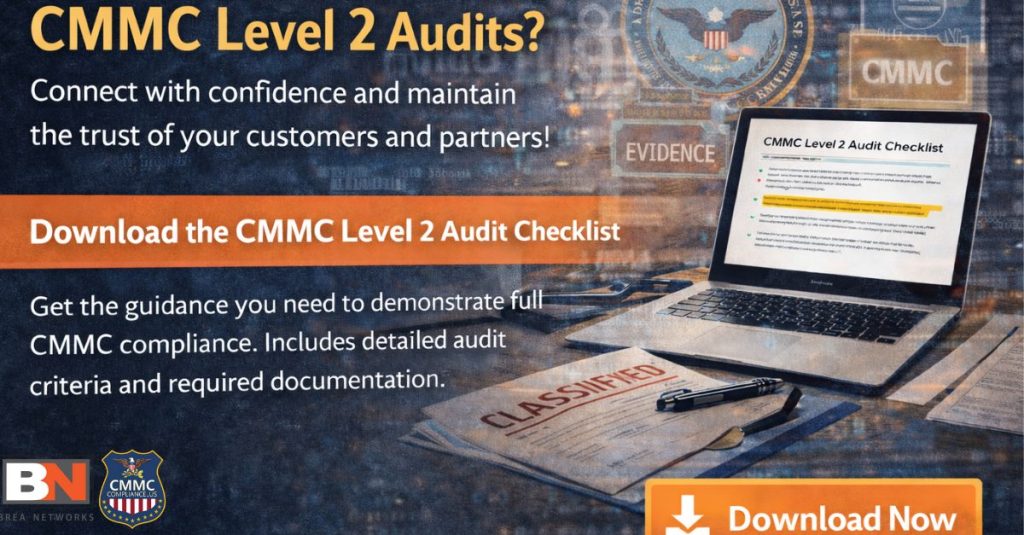
Download the CMMC Level 2 Audit Checklist
Download the CMMC Level 2 Audit Checklist to see what auditors look for and what evidence is required. This checklist helps identify gaps before they turn into contract or legal problems.